
Brisket is one of those foods that looks simple until you try to get it just right. Over the years, I’ve learned that the best results come from keeping the process natural, paying attention to the details, and cooking for the people who are actually going to eat it. From the way I trim the brisket to the seasoning, smoke, and rest, every step has a purpose. This is a look at the philosophy behind how I prepare brisket and why I believe simple ingredients, good smoke, patience, and experience make all the difference.
SoThe best brisket isn’t the one that looks impressive sitting on the cutting board. It’s the one people finish eating.
One of the biggest lessons I’ve learned from catering is that the way a brisket is trimmed matters more than people may realize. I trim the flat very lean because most guests prefer clean slices without a heavy layer of fat, while leaving a little more richness in the point for those who like it wetter. Over time, I noticed a clear difference: when I left more fat on the meat, plates came back with more uneaten trimmings. When I trimmed more aggressively, the plates came back cleaner and the compliments got better. That experience shaped the way I prepare brisket today..
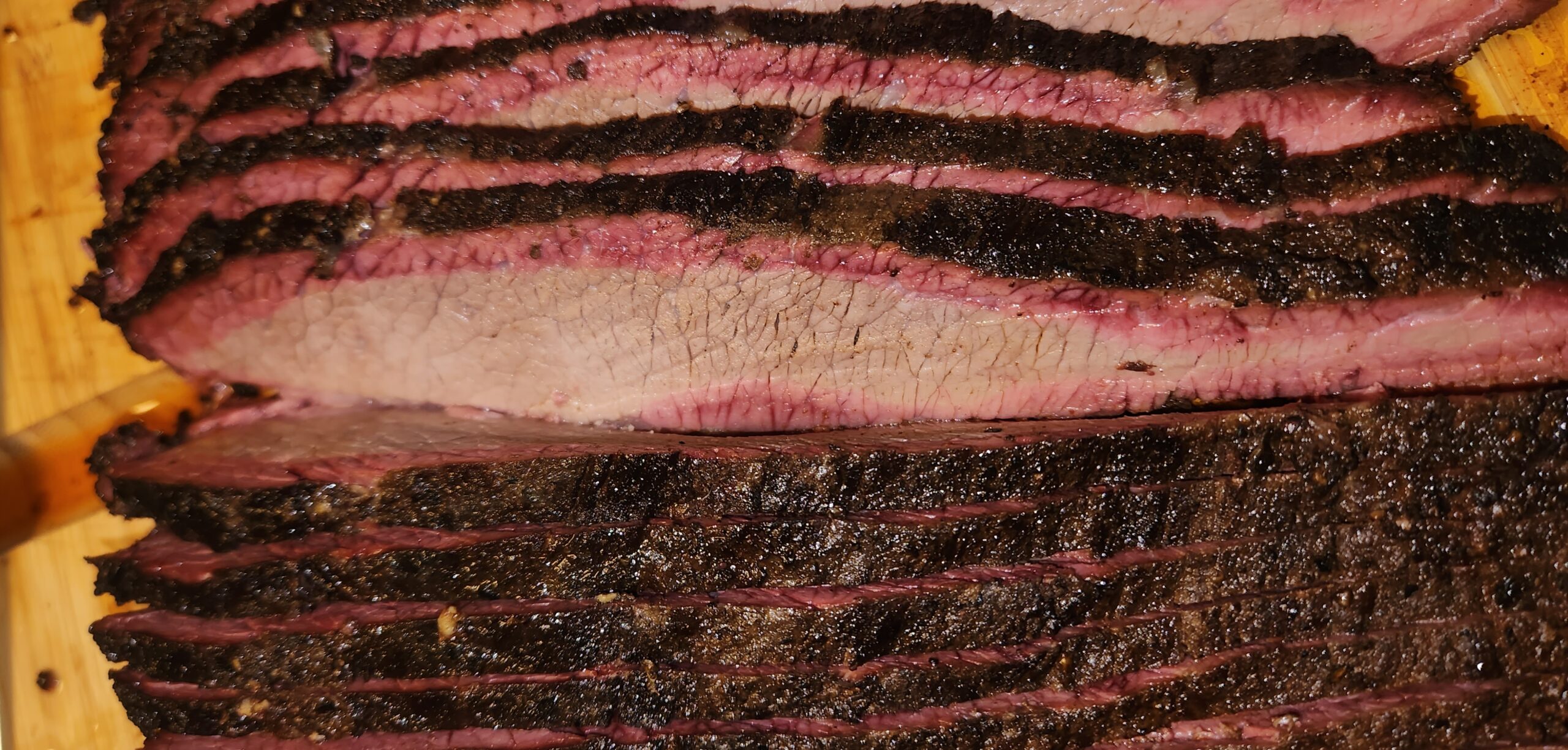
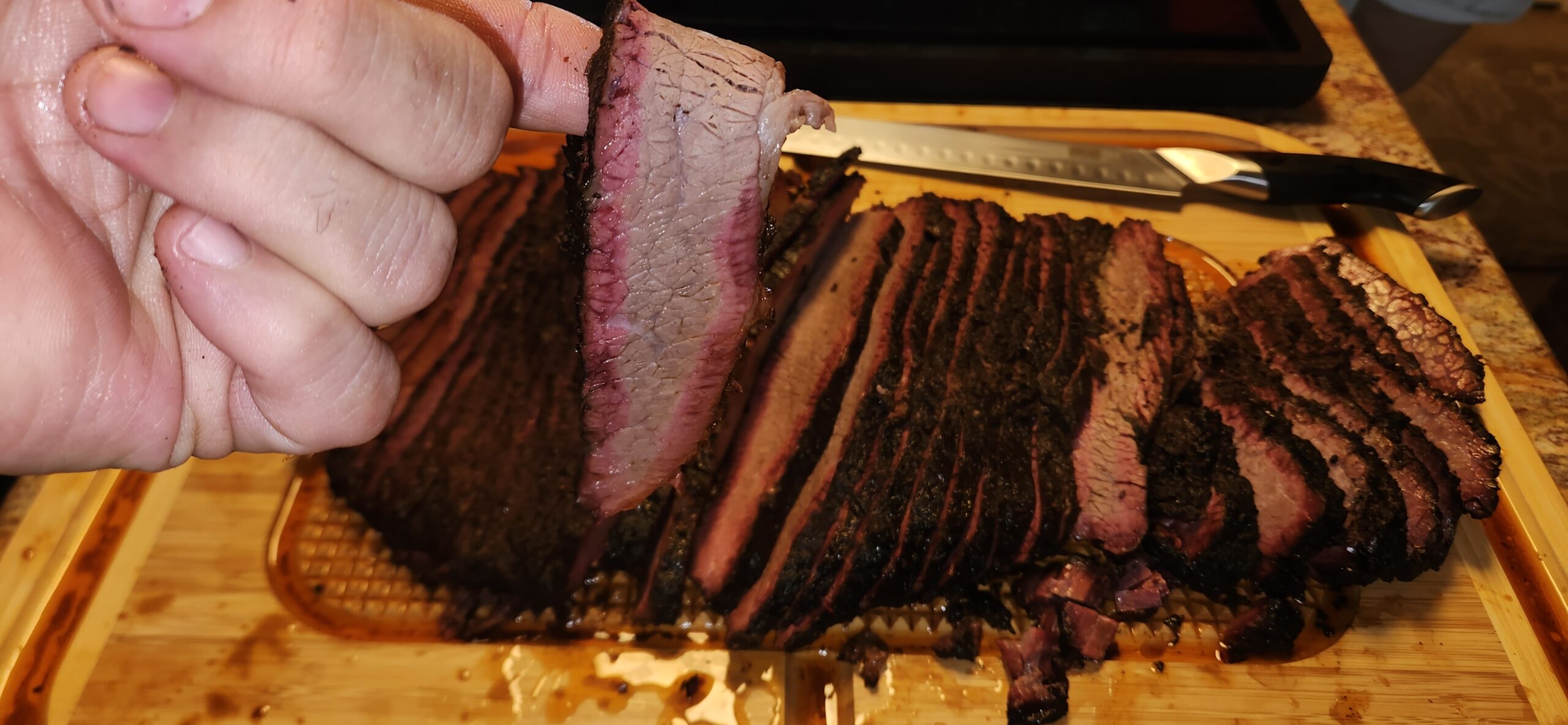
There is always a balance between trimming enough fat and leaving enough richness to keep the brisket tender and flavorful. That is why I treat the flat and the point a little differently. The flat gets trimmed lean for clean, tender slices, while the point keeps a little more fat for those who prefer a richer, wetter bite. I also keep the seasoning simple with coarse sea salt, pepper, garlic, and smoked paprika, letting the beef and smoke remain the focus. Good brisket does not need to be complicated—it needs patience, balance, and attention to what people actually enjoy eating.
Wrapping Up with Key Insights
At the end of the day, great brisket comes down to simple ingredients, good smoke, patience, and learning what the people at your table actually enjoy. I’ve developed my method through years of cooking, catering, watching what gets eaten, and making adjustments along the way. Trim with purpose, keep the seasoning simple, give the brisket plenty of time, and don’t be afraid to develop a style of your own. There may be a few Judah’s secrets I’m keeping close to the vest, but the most important ingredient isn’t a secret at all: cook it with care and make it for people you want to bring back to the table.
Leave a Reply